Savor the Radiance: The Dietary Value of Sun-dried Mango
Sun-dried mango is often regarded as nature's candy, but its appeal goes beyond just its sugary taste and tender consistency. This exotic treat is a powerhouse of nutrition that can add both taste and health benefits to your diet. Imagine enjoying the taste of sunshine with every bite, knowing that you're indulging in a snack that is packed with vitamins, minerals, and protective antioxidants.
The process of transforming fresh mangoes into dehydrated mango happens in custom dehydration plants, where the fruit is slowly dehydrated to keep its nutrients intact while intensifying its flavor. This means that every morsel packs a punch, making dried mango not just a yummy food but also a smart choice for health-conscious individuals. Whether you're looking for a fast energy pick-me-up, a nutritious topping for your morning meal, or a natural sweetener for your recipes, dehydrated mango is an excellent option that deserves a place in your food storage.
Nutritional Benefits of Dried Mango
Dried mango is not only a tasty snack but also loaded with vital nutrients that support overall health. It is an outstanding source of vitamins, particularly A vitamins and vitamin C. This vitamin has a critical role in maintaining healthy vision, skin, and immune function, while this vitamin is known for its antioxidant properties and its ability to enhance the immune system. Adding dried mango into your diet can help ensure you fulfill your daily vitamin requirements.
Along with vitamins, dried mango provides a healthy amount of dietary fiber. Fiber is important for digestive health, as it aids in regular bowel movements and can maintain a feeling of fullness. This can support weight management by lowering overall calorie intake. A portion of dried mango can provide a significant source of fiber, making it an excellent addition to snacks or meals, especially for those looking to improve their digestive health.
Additionally, dried mango contains various minerals such as potassium and magnesium, which are important for heart health and ensuring proper muscle function. This mineral helps regulate blood pressure while magnesium supports bone health and energy production. Including dried mango in your daily regimen can support a balanced intake of these important minerals, making it a tasty and healthy choice for health-conscious people.
Our Dehydration Procedure Described
Dehydrated mango begins its path in the colorful fields where ripe mangoes are picked. As soon as picked, the mangoes are meticulously selected for their quality to make sure that only the finest fruit undergoes the drying process. The selection is vital, as the natural sweetness and flavor of the mango are preserved during the drying, providing a tasty end product. After sorting, the mangoes are then washed to eliminate any impurities before they are peeled and sliced.
The next step consists of the actual drying process, which can differ depending on the method used. Typical methods include solar drying, wind drying, and utilizing dehydrators. Each method has its distinct advantages, with commercial dried mango factories usually choosing dehydrators for their efficiency and capability to retain nutrients. During this process, the water content in the mango slices is significantly lowered, concentrating the sugars and flavors while maintaining most of the essential vitamins.
In the end, after drying, the mango pieces undergo cooling and conditioning to guarantee uniform moisture content throughout. This step is critical for maintaining the quality and quality of the dehydrated mango. After conditioned, they are packaged meticulously to lock in the freshness and flavor. This careful drying process not only enhances the taste but also prolongs the shelf life, making dried mango a convenient and healthy snack.
Quality Assurance in Dehydrated Mango Manufacturing
Quality assurance is essential in the production of sun-dried mango to make sure that all pieces maintains its nutritional value and flavor. In a sun-dried mango plant, rigorous standards are implemented at all stages, starting from the choosing of the mangos. Only fully ripe and premium quality mangoes are chosen, as this initial picking directly influences the ultimate product's flavor and nutritional integrity. The process involves visual assessment and testing for sweetness and firmness, confirming that the best mangoes is sent to the drying stage.
Once the mangoes are sliced and prepared for drying, quality control measures persist through the dehydration process. Temperature and humidity levels are diligently tracked to preserve the natural flavors and nutrients. These factors must be optimized to stop spoilage and secure even drying. After this stage, samples are often taken for flavor assessments and nutritional evaluation to guarantee that the dried mango meets the established quality standards before packaging.
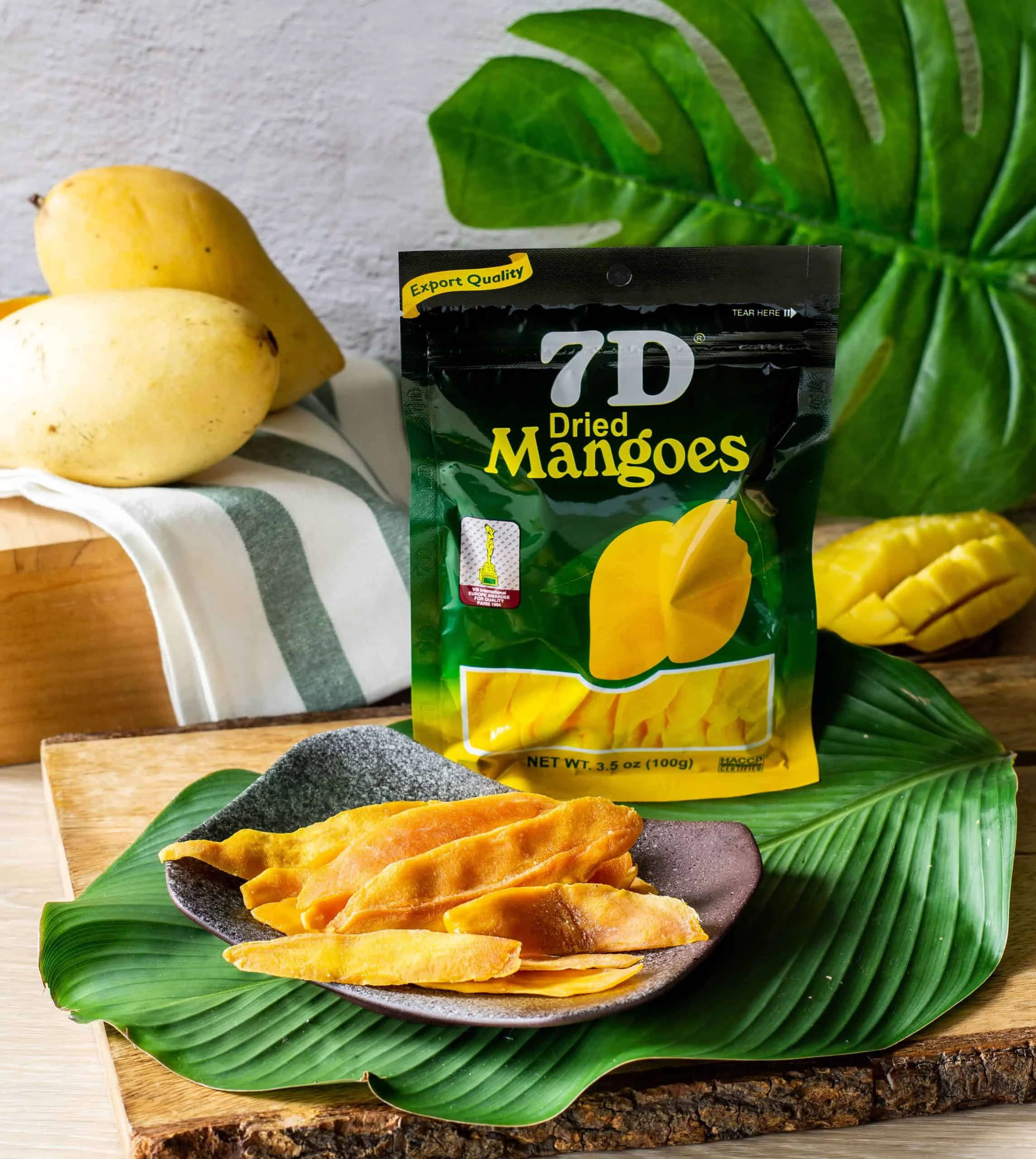
In conclusion, packaging plays a key role in protecting the integrity of dried mango. The factory implements rigorous quality assessments before finalizing each batch to avoid contamination and maintain freshness. Effective packaging also includes info labels that advises consumers about the nutritional benefits and optimal storage methods. Through detailed quality assurance practices, a dried mango factory ensures that each product sent to market is both tasty but also full of vital nutrients that make dried mango a healthy snack choice.